
Comprehensive Guide to Fire Suppression Systems in NC: Protecting Your Commercial Kitchen
Understanding Fire Suppression Systems
Fire suppression systems are crucial for safeguarding commercial kitchens in North Carolina. These systems are designed to detect and extinguish fires, minimizing damage and ensuring the safety of staff and patrons. Understanding the components and functionality of these systems is essential for effective fire prevention.
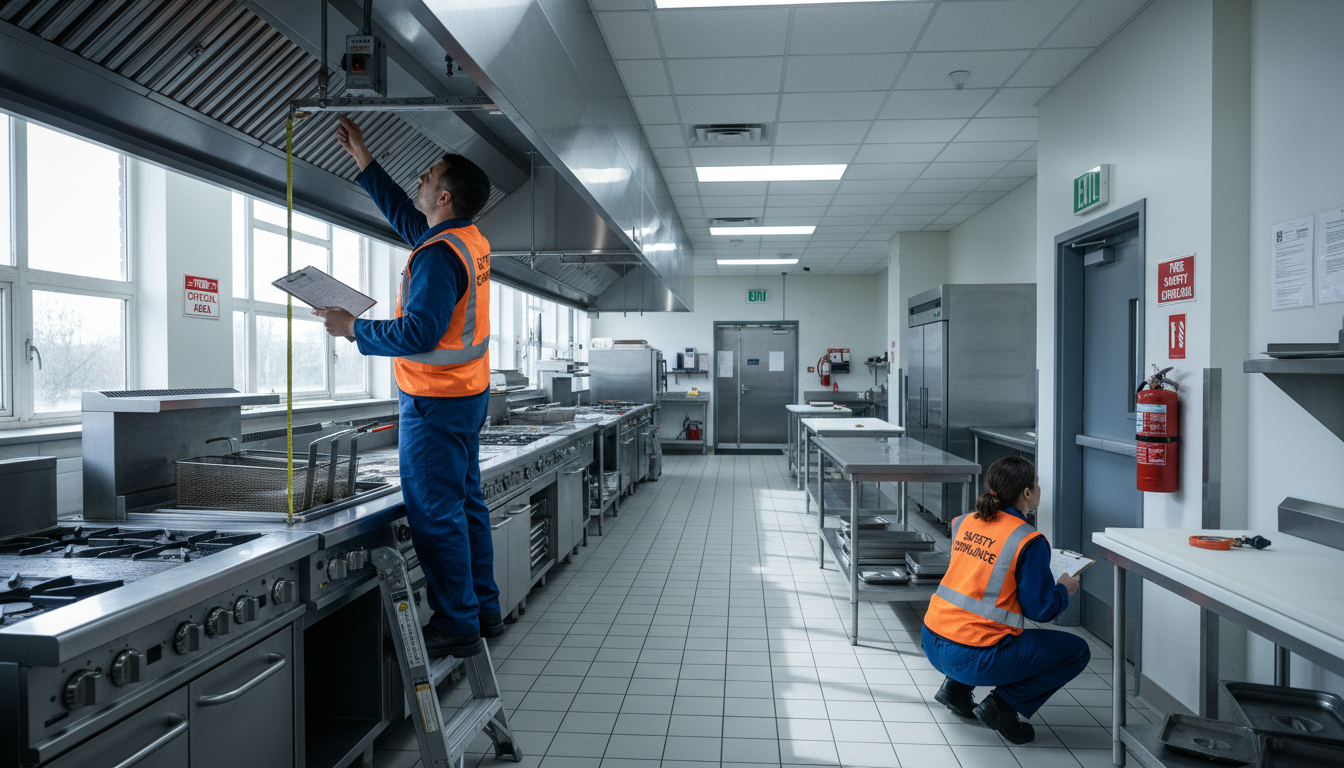
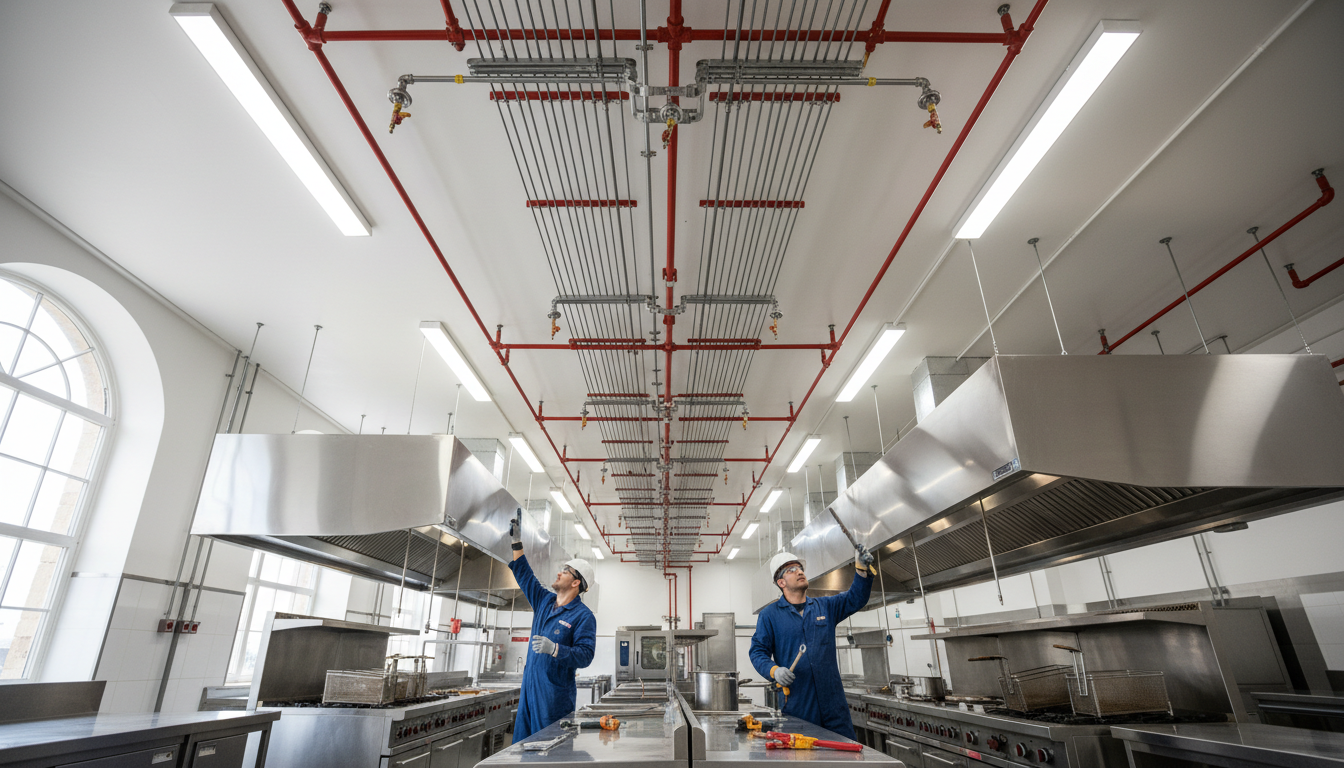
In essence, a fire suppression system is a combination of built-in components that work together to detect, control, and extinguish fires. These systems typically include sensors, nozzles, and chemical agents that are specifically designed to suppress flames in the unique environment of a commercial kitchen.
Types of Fire Suppression Systems
There are several types of fire suppression systems available, each with its own benefits. The most common systems include:
- Wet Chemical Systems: These are the most prevalent in commercial kitchens. They use a liquid extinguishing agent that reacts with grease to form a soapy layer, effectively smothering the fire.
- Dry Chemical Systems: Ideal for a variety of fire types, these systems use a powder-based agent to extinguish flames.
- Water Mist Systems: These systems use fine water sprays to cool and suppress fires, making them suitable for some kitchen environments.
Regulations and Compliance in NC
In North Carolina, compliance with fire safety regulations is mandatory for commercial kitchens. It is vital to adhere to guidelines set by the National Fire Protection Association (NFPA) and local authorities. Regular inspections and maintenance are necessary to ensure systems are functioning correctly.
Failure to comply with these regulations can result in fines and increased liability in the event of a fire. Therefore, it's essential for business owners to stay informed about the latest fire safety standards and ensure their suppression systems are up-to-date.
Installation and Maintenance
Proper installation and maintenance of fire suppression systems are critical to their effectiveness. Hiring certified professionals for installation ensures that the system is tailored to the specific needs of your kitchen. Regular maintenance checks are also crucial to identify any potential issues before they become serious problems.
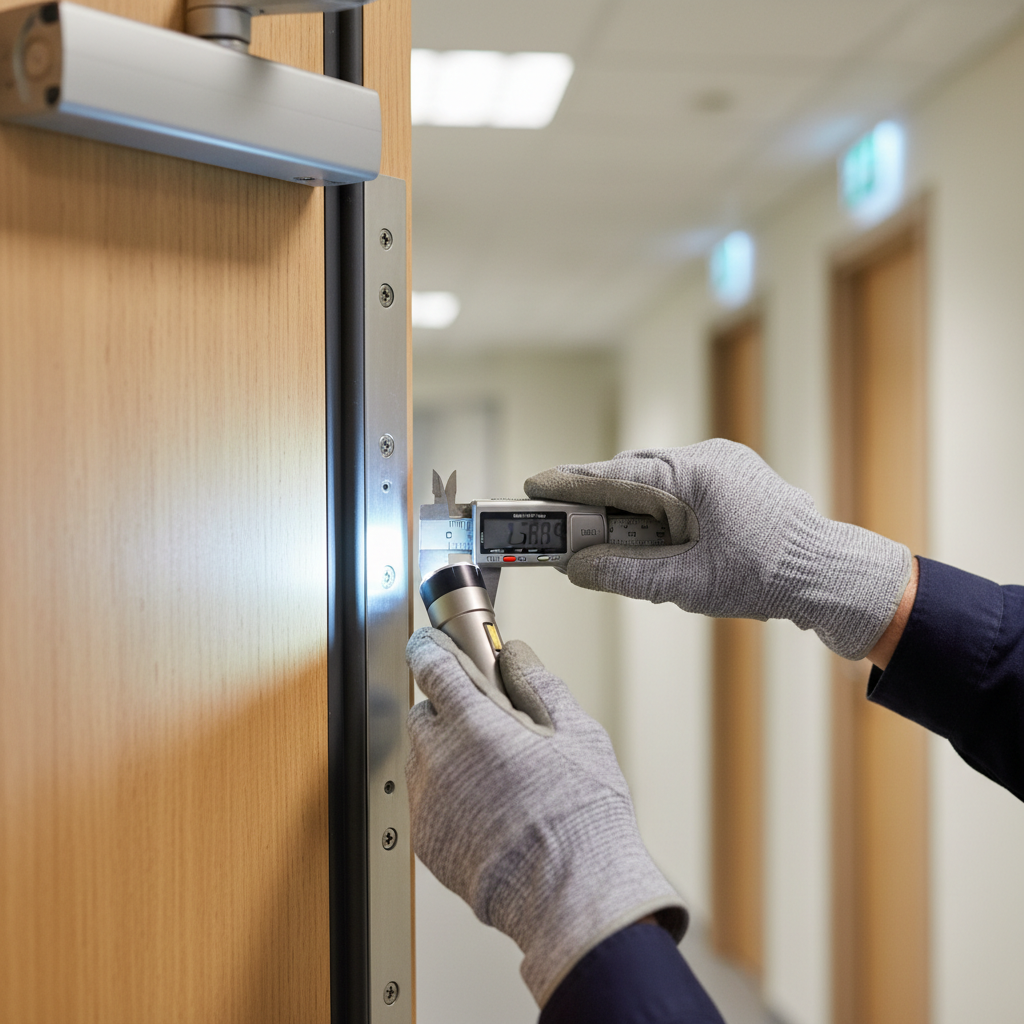
Routine inspections should be scheduled at least twice a year. During these inspections, technicians will check for blockages, leaks, and other potential issues that could hinder the system's performance. This proactive approach will help maintain a safe kitchen environment.
Benefits of a Reliable Fire Suppression System
Having a reliable fire suppression system installed in your commercial kitchen offers numerous benefits:
- Enhanced Safety: Protects employees and customers from fire hazards.
- Property Protection: Minimizes damage to equipment and infrastructure.
- Business Continuity: Reduces downtime and financial loss due to fire incidents.
Investing in a high-quality fire suppression system is a prudent decision that can save lives and protect your business from significant financial setbacks.
Conclusion
Protecting your commercial kitchen with an effective fire suppression system is not just a regulatory requirement but a critical component of overall safety. By understanding the different types of systems available, adhering to regulations, and committing to regular maintenance, you can ensure your kitchen remains a safe and compliant environment.