
Debunking Common Myths About Commercial Kitchen Fire Safety
Understanding the Importance of Fire Safety in Commercial Kitchens
Fire safety in commercial kitchens is a critical issue that cannot be overlooked. These environments are bustling with activity, involving high heat, open flames, and flammable materials. Despite the emphasis on safety, several myths persist, leading to misconceptions about best practices. Let's debunk some of these common myths to ensure a safer kitchen environment.
Myth 1: Fire Suppression Systems Are Foolproof
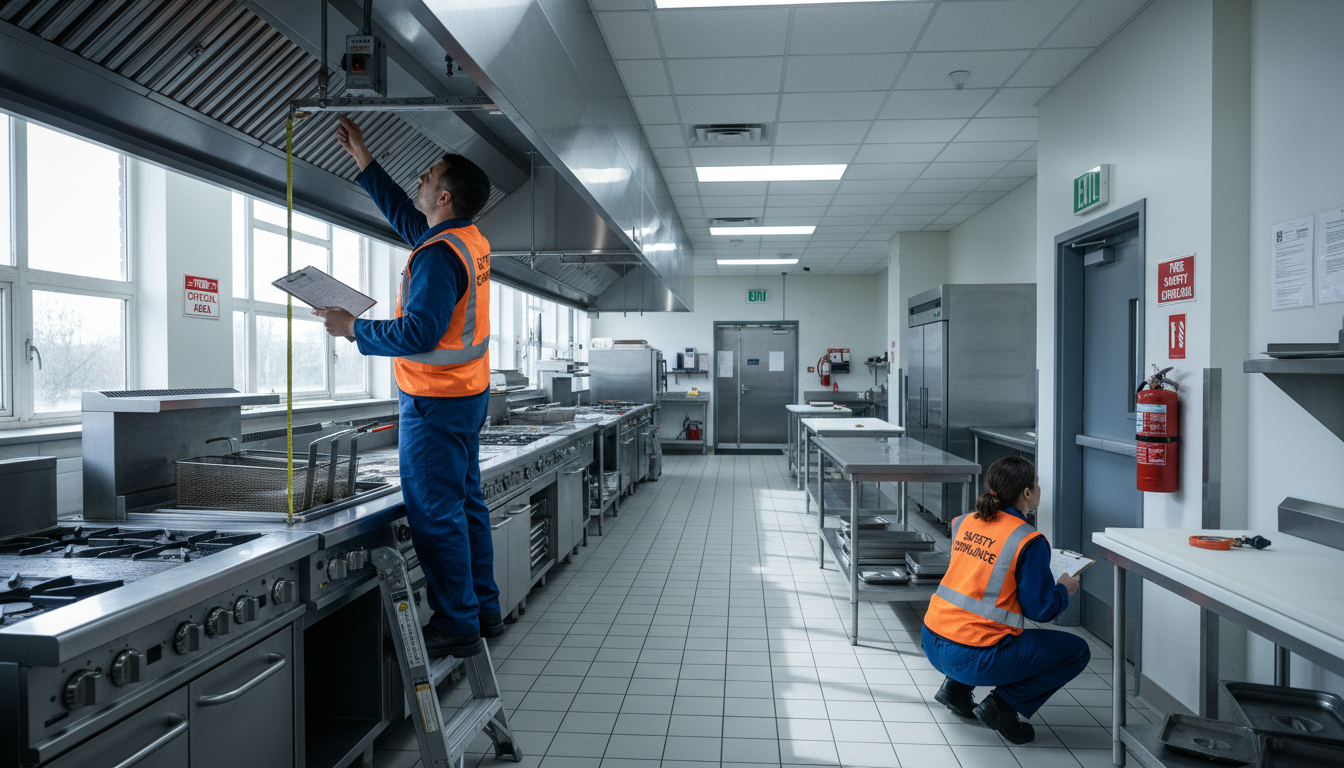
Many people believe that installing a fire suppression system is enough to prevent all fire hazards in a commercial kitchen. While these systems are essential, they are not foolproof. Regular maintenance and inspections are necessary to ensure they function correctly. Additionally, staff should be trained to use them effectively in an emergency. A suppression system is just one part of a comprehensive fire safety plan.
Myth 2: Only Grease Fires Are a Concern
It's a common belief that fire risks in kitchens are limited to grease fires. However, electrical fires, gas leaks, and improperly stored flammable materials also pose significant threats. It's crucial to conduct regular safety audits to identify and mitigate various potential hazards. Focusing solely on grease fires can leave a kitchen vulnerable to other types of fire incidents.
Myth 3: Fire Extinguishers Are Easy to Use
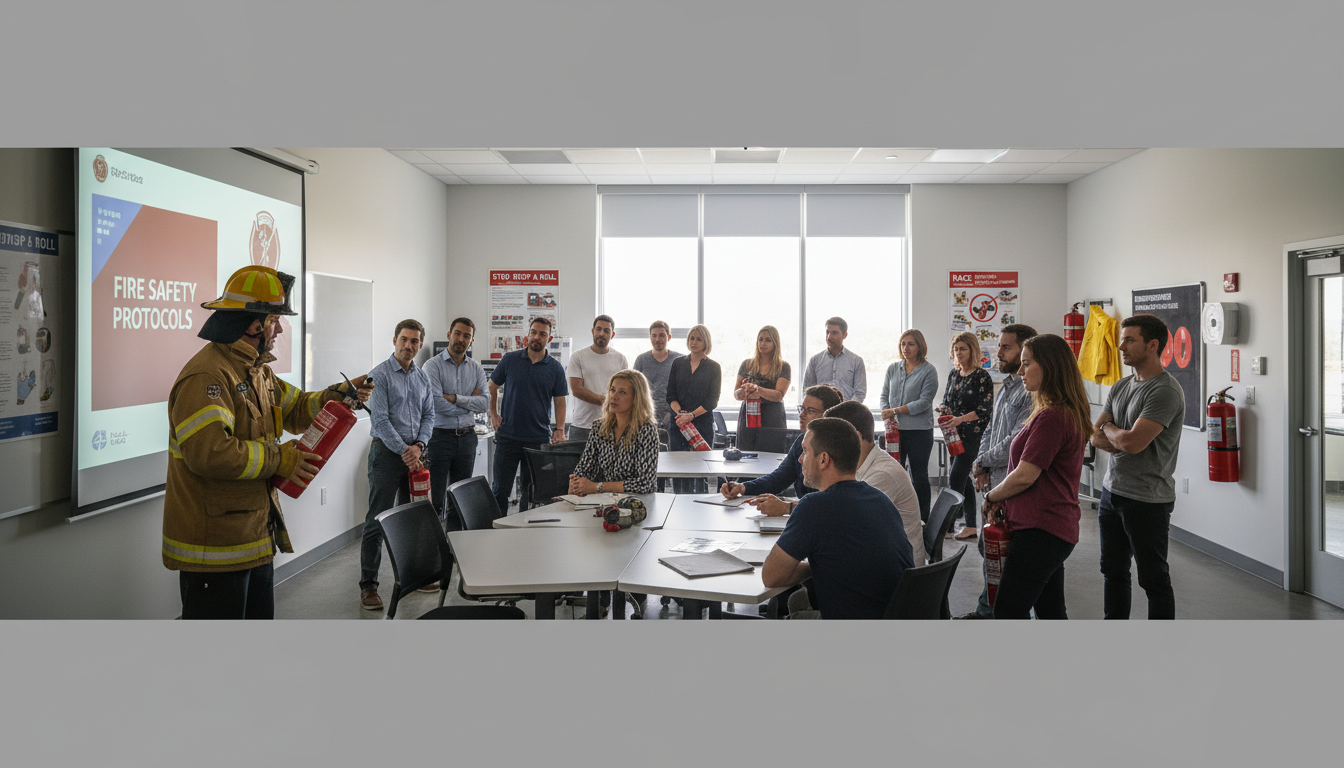
Another misconception is that fire extinguishers are straightforward and intuitive to use. In reality, using a fire extinguisher requires understanding the PASS technique: Pull, Aim, Squeeze, and Sweep. Regular training sessions should be conducted to ensure all kitchen staff are comfortable and confident in using extinguishers during an emergency.
The Role of Regular Training and Drills
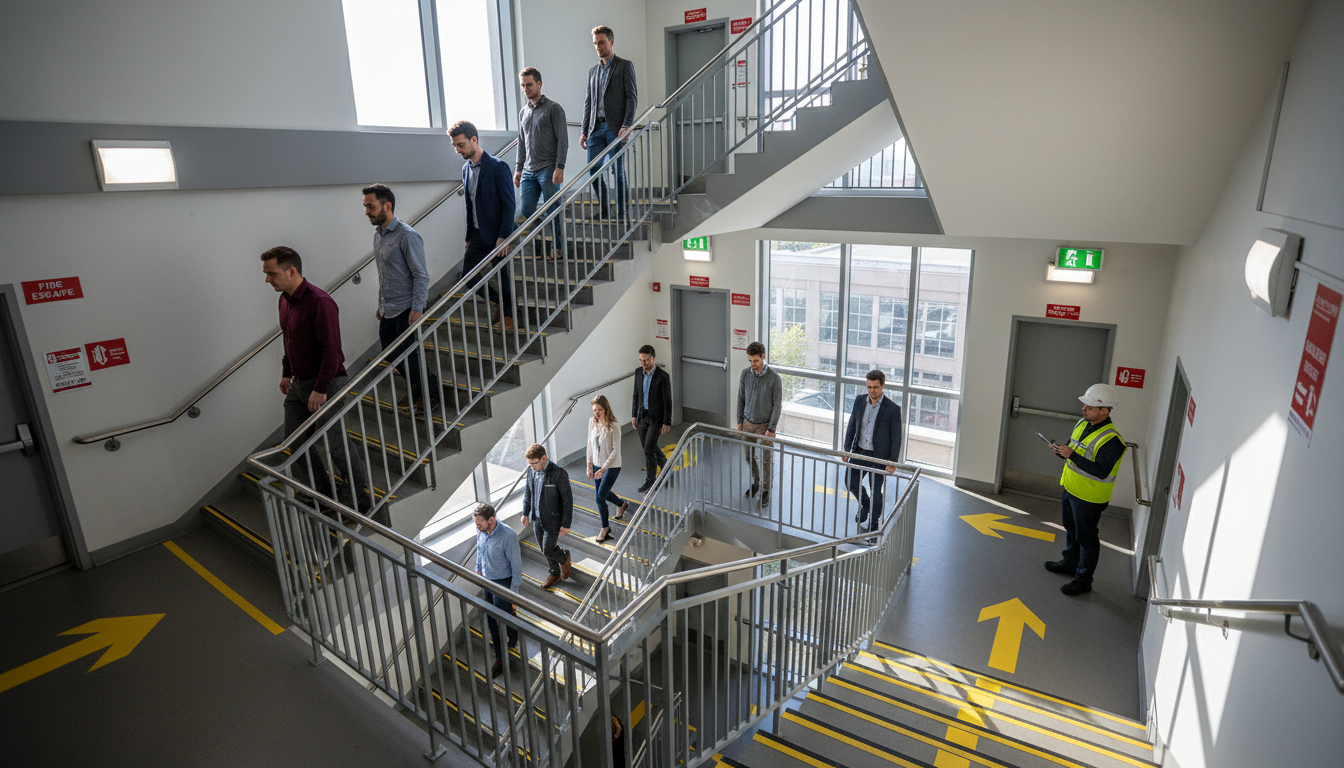
Training and drills are often underestimated in their importance. Many assume that once training is conducted, it need not be repeated. However, regular drills help reinforce the correct procedures and ensure that staff remain prepared. Familiarity breeds confidence, which is crucial in a real emergency.
Myth 4: Sprinkler Systems Cause More Damage Than Fire
There is a fear that sprinkler systems cause more damage to equipment and inventory than the fire itself. While water damage is a concern, the primary goal is to prevent the spread of fire and protect lives. Modern sprinkler systems are designed to minimize water usage while effectively controlling fires, making them a valuable tool in fire safety.
Myth 5: Fire Safety Is the Responsibility of Management Alone
Fire safety is often perceived as the sole responsibility of management. In truth, it requires a team effort. Every staff member should be aware of their role in maintaining a safe environment. Encouraging a culture of safety ensures that everyone is vigilant and proactive in preventing fire hazards.
Conclusion: A Comprehensive Approach to Fire Safety
Debunking these myths highlights the need for a comprehensive approach to fire safety in commercial kitchens. It's not just about having the right equipment but also about fostering a culture of awareness and preparedness. By addressing these misconceptions, kitchens can operate more safely, protecting both staff and patrons alike.