
Expert Advice: Common Misconceptions About Fire Suppression Systems in NC
Understanding Fire Suppression Systems
Fire suppression systems are essential for safeguarding properties and lives, yet there are several misconceptions surrounding them. These misunderstandings can lead to inadequate protection and increased risk. In this article, we will debunk some of the most common myths about fire suppression systems, particularly in North Carolina.

Myth 1: All Fire Suppression Systems Are the Same
One of the biggest misconceptions is that all fire suppression systems are identical. In reality, systems vary significantly based on the environment they are designed to protect. For instance, a system suitable for a commercial kitchen may not be ideal for a data center. Understanding these differences is crucial for choosing the right system.
Fire suppression systems can be broadly categorized into water-based, chemical-based, and gas-based systems. Each type has specific applications and effectiveness depending on the fire risk and the facility's needs.
Myth 2: Sprinkler Systems Cause More Damage Than Fire
Some people believe that sprinkler systems will cause excessive water damage, potentially more than the fire itself. However, modern sprinkler systems are highly efficient and activate only in the affected area. They use the minimum amount of water necessary to suppress the fire, thus reducing both fire and water damage.

Additionally, the damage caused by a fire can be catastrophic compared to the minimal water damage from sprinklers. In many cases, the use of sprinklers can prevent total loss of property.
Myth 3: Maintenance Is Not Necessary
Another common misconception is that once installed, fire suppression systems require no further attention. Regular maintenance and inspections are critical to ensure the system functions correctly during an emergency. Neglecting maintenance can lead to system failures that could have been easily prevented.
- Check for visible damage or leaks.
- Test alarms and sensors regularly.
- Schedule annual professional inspections.
Myth 4: Fire Suppression Systems Are Only for Large Buildings
Some believe that fire suppression systems are only necessary for large commercial buildings. In reality, these systems are vital for any space where fire poses a significant risk, including small businesses, residential complexes, and even specific areas within a home, like the kitchen or garage.
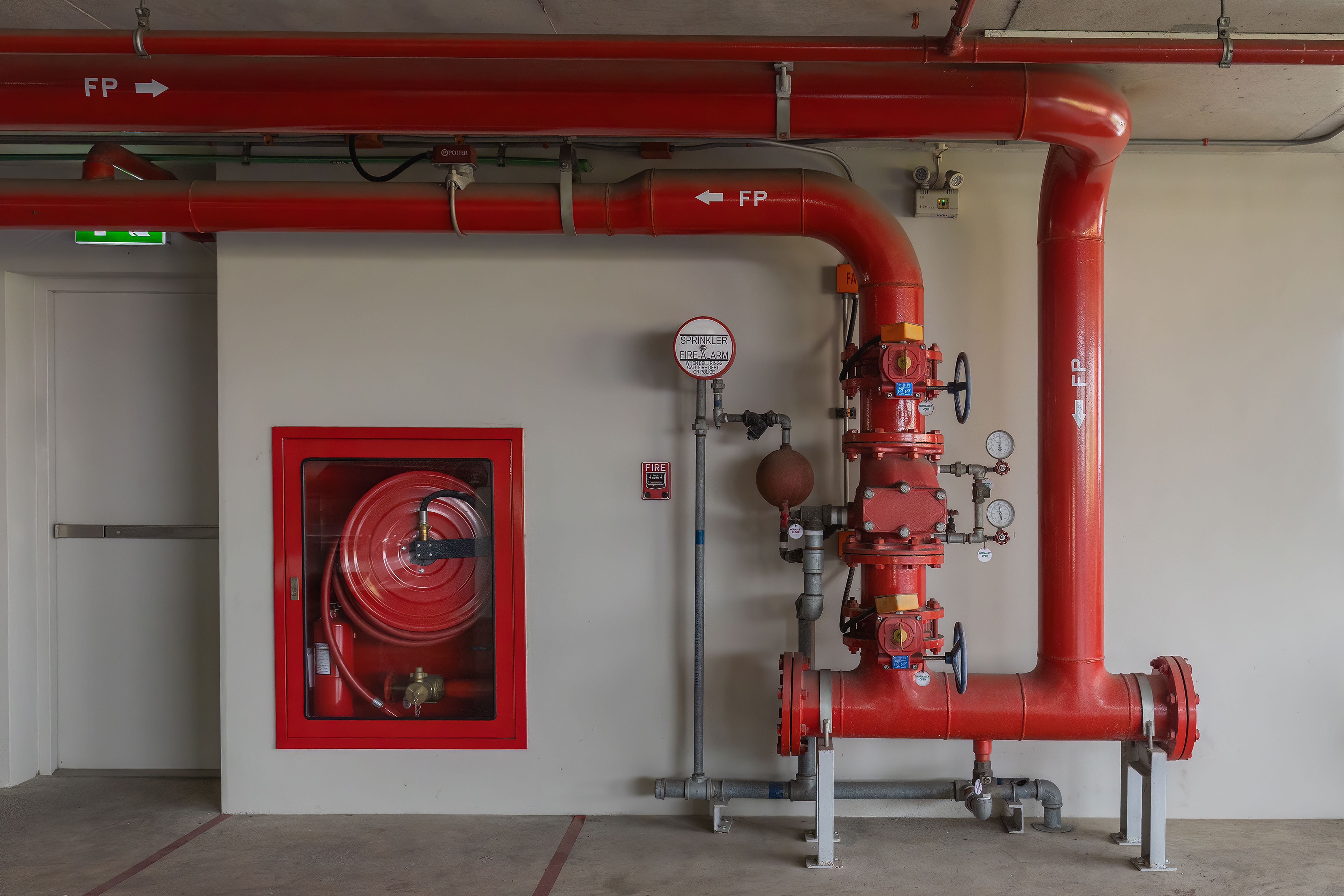
Fire does not discriminate based on the size of the building, and even small fires can cause significant damage. Having a suppression system in place provides peace of mind and protection.
Conclusion: Making Informed Decisions
Understanding the truth about fire suppression systems helps in making informed decisions about fire safety. Whether it's choosing the right type of system or ensuring regular maintenance, dispelling these myths is key to effective fire protection. By staying informed, you can better protect your property and the lives of those within it.