
How to Maintain Fire Suppression Systems: A Step-by-Step Guide
Understanding the Importance of Fire Suppression Systems
Fire suppression systems are critical components in ensuring the safety of buildings and their occupants. These systems are designed to detect and extinguish fires, preventing damage and potential loss of life. Regular maintenance is essential to keep them functioning effectively. Without proper upkeep, these systems might fail when they are needed the most.
Maintaining fire suppression systems can seem daunting, but breaking it down into manageable steps makes it straightforward. This guide will walk you through the essential steps to ensure your system is always ready to protect.
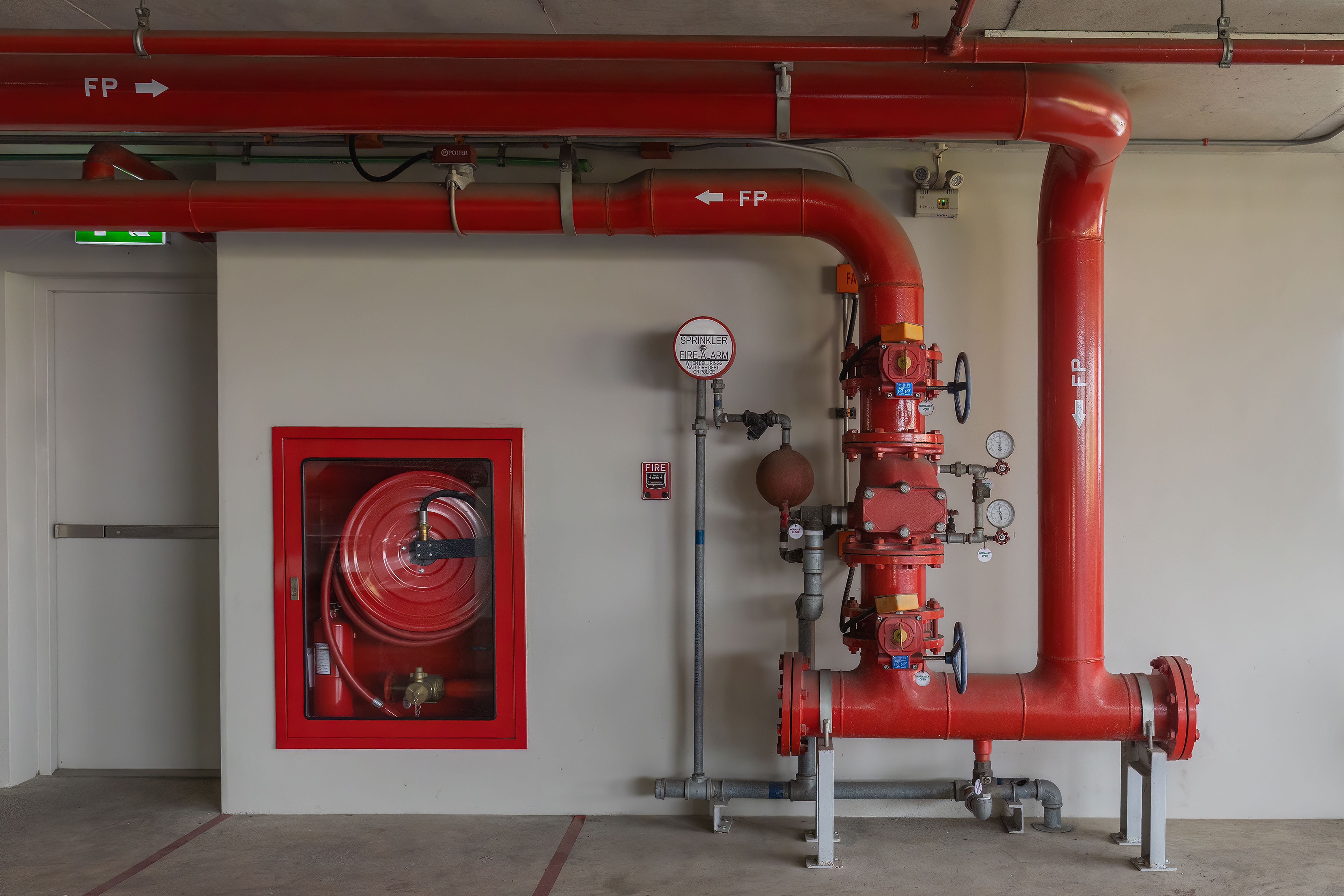
Step 1: Regular Inspection
Frequency of Inspections
Inspections should be conducted at least once every six months, although some components may require more frequent checks. Regular inspections ensure that all parts of the system are operational and free from damage or wear.
What to Inspect
During an inspection, check for visible damage, leaks, or corrosion. Ensure that all connections and valves are secure. Verify that alarms and sensors are functioning correctly. Pay special attention to any signs of tampering or unauthorized access.
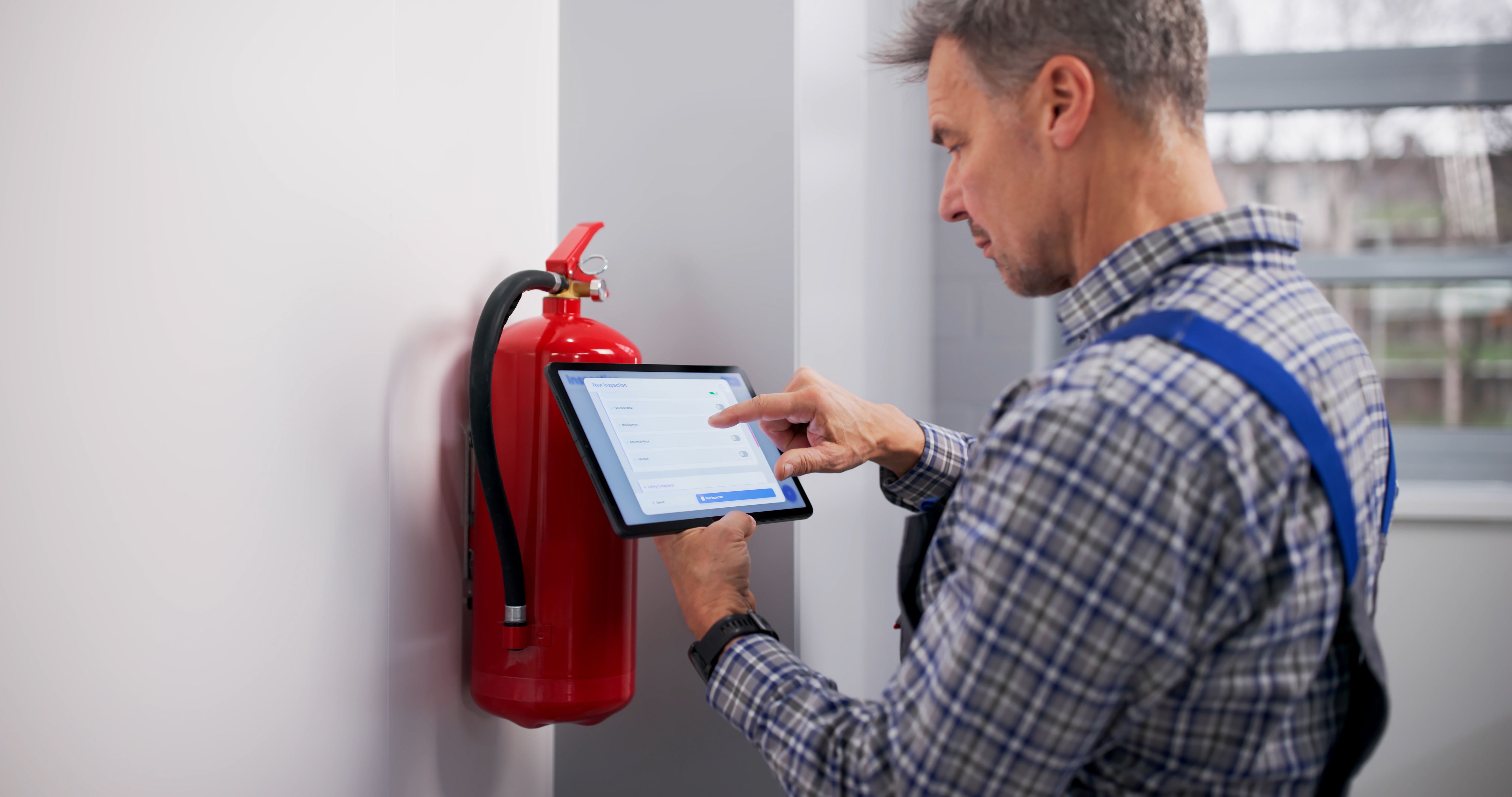
Step 2: Testing the System
Conducting Tests
Testing the fire suppression system is crucial to confirm its functionality. Tests should be conducted according to the manufacturer's guidelines and industry standards. This usually involves simulating fire conditions to trigger the system.
Documenting Test Results
Keep detailed records of all tests conducted, including dates, findings, and any corrective actions taken. These records are valuable for compliance and can guide future maintenance efforts.
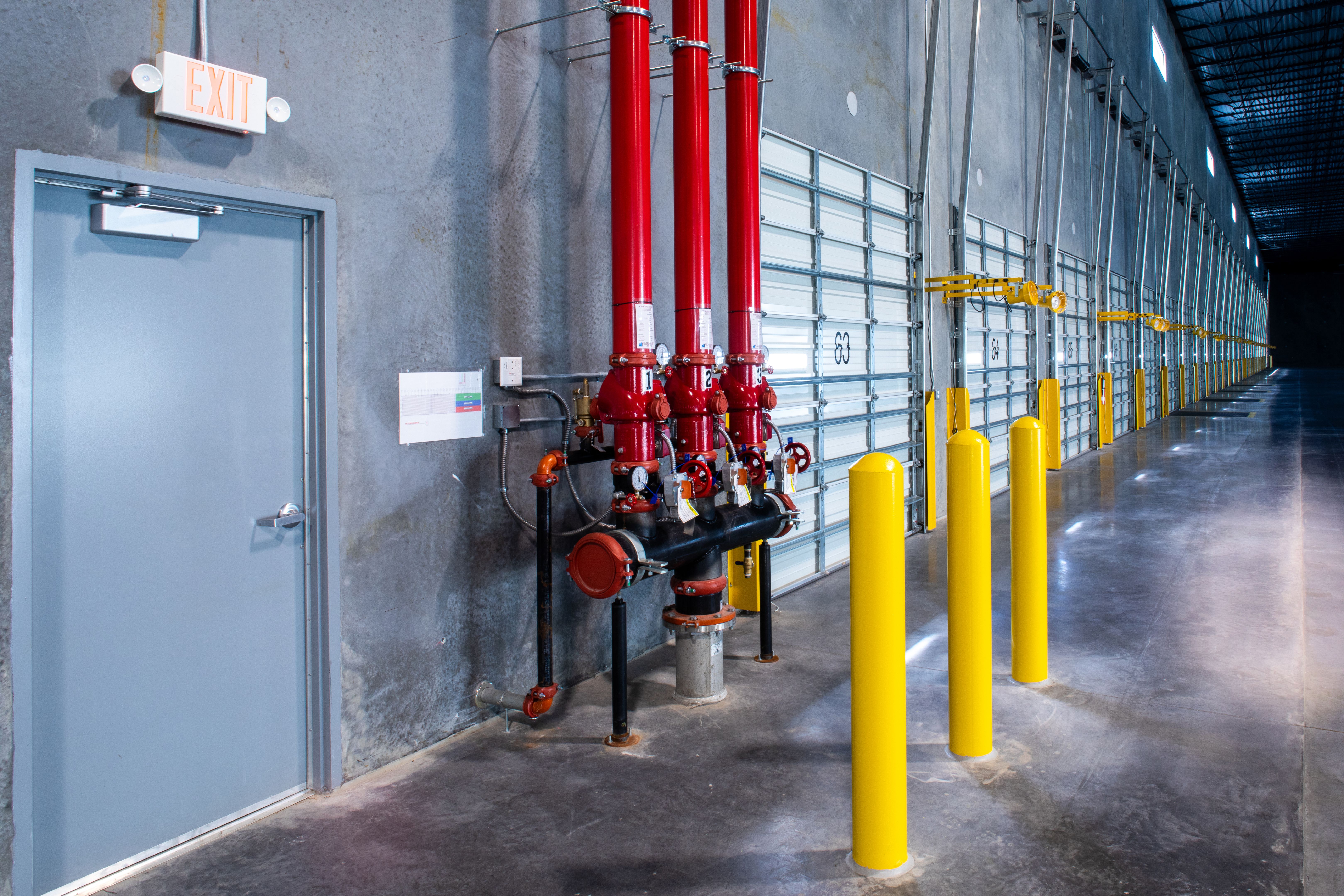
Step 3: Routine Maintenance
Cleaning and Replacing Components
Regular maintenance involves cleaning and replacing components as needed. Filters, nozzles, and sensors may accumulate dust or debris, affecting their performance. Replace any worn or damaged parts promptly to ensure reliability.
Updating the System
Technology and standards evolve, and it's essential to keep your fire suppression system up to date. Consult with professionals to upgrade outdated components or integrate new features that enhance protection.
Step 4: Professional Servicing
Hiring Certified Professionals
While regular inspections and maintenance can be handled internally, hiring certified professionals for more comprehensive servicing is advisable. Professionals have the expertise and equipment to thoroughly assess and repair complex systems.
Scheduling Regular Servicing
Schedule professional servicing annually or according to the specific requirements of your system. This ensures that all aspects of the system are evaluated and maintained to the highest standards.
Maintaining a fire suppression system requires diligence and attention to detail, but the payoff in safety and security is invaluable. By following these steps, you can ensure that your system remains in optimal condition, ready to protect when needed.