
Preparing Your Commercial Kitchen for Winter in North Carolina
Understanding the Impact of Winter on Your Commercial Kitchen
Winter in North Carolina brings unique challenges for commercial kitchens. With temperatures dropping, it's crucial to ensure your kitchen operates efficiently and safely. Preparing your kitchen for winter not only helps maintain a comfortable working environment but also prevents unexpected equipment failures that could disrupt your business.
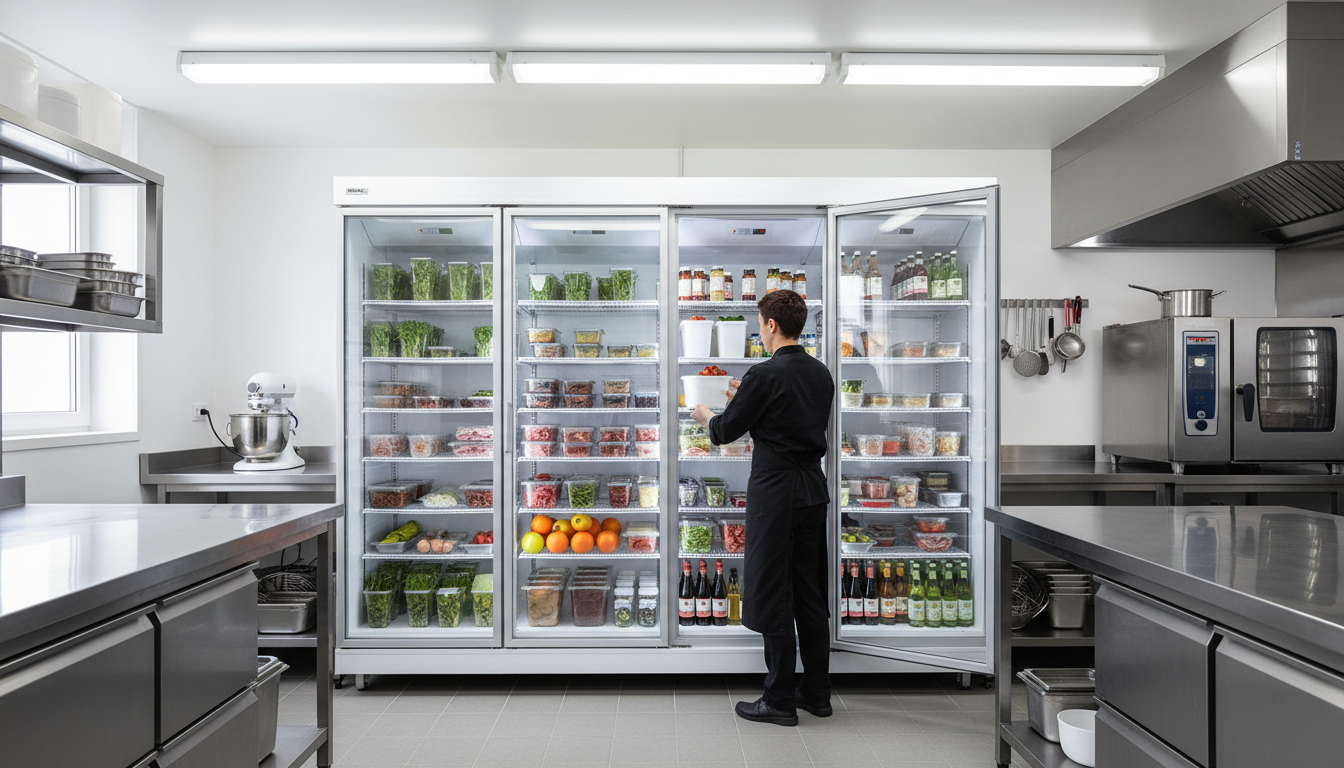
Insulate Pipes to Prevent Freezing
One of the most critical steps in winterizing your kitchen is to insulate pipes. Freezing pipes can burst, leading to costly repairs and downtime. Use foam pipe insulation or heat tape to protect exposed pipes, especially those located near exterior walls. Regularly check for any signs of wear or damage and address them promptly.
In addition, ensure that the kitchen maintains a consistent temperature to prevent freezing. Keeping the thermostat at a steady level can help avoid sudden temperature drops that might cause pipes to freeze.
Maintain and Inspect Kitchen Equipment
Winter is the perfect time to perform thorough maintenance checks on your kitchen equipment. Ensure that all appliances, such as ovens and refrigerators, are functioning efficiently. Cold weather can strain these machines, increasing the risk of breakdowns. Schedule professional inspections and cleanings to keep everything in top shape.
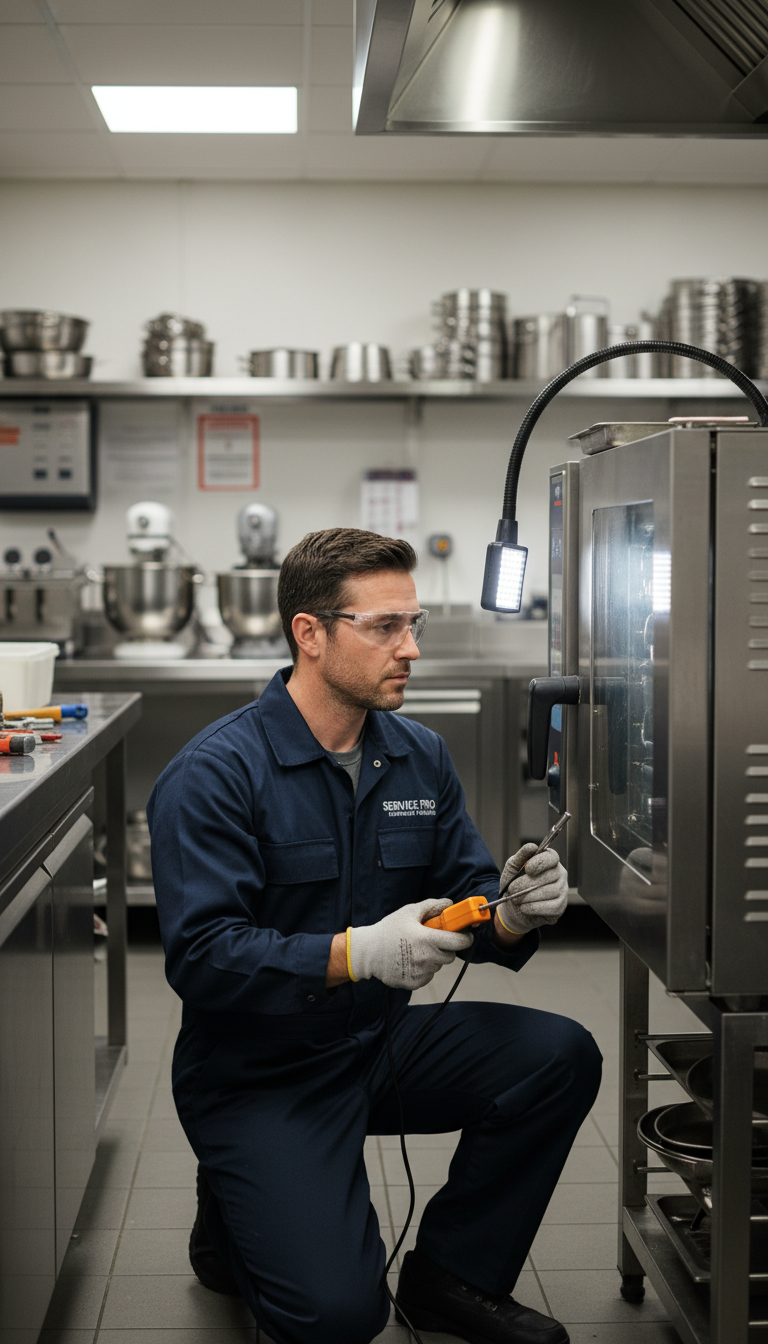
Regular maintenance not only enhances performance but also extends the lifespan of your equipment, saving you money in the long run. Consider creating a maintenance schedule to keep track of necessary checks and services.
Enhance Kitchen Safety
With the potential for icy conditions, safety is paramount. Ensure that all walkways and entrances are clear of ice and snow to prevent slips and falls. Provide non-slip mats in areas prone to moisture and train staff on winter safety protocols. Keeping a well-stocked first-aid kit and emergency contact list is also advisable.
Additionally, consider installing weather stripping around doors and windows to keep the cold air out and the warmth in. This simple step can improve energy efficiency and create a more comfortable environment for your staff.

Stock Up on Essential Supplies
Winter storms can lead to supply chain disruptions. To avoid running out of essential items, stock up on non-perishable ingredients and cleaning supplies. Create a checklist to ensure you have everything needed to continue operations smoothly during adverse weather conditions.
Moreover, it's wise to have a backup plan for deliveries in case of inclement weather. Establish relationships with multiple suppliers to ensure you have alternatives if your primary source is unavailable.
Plan for Energy Efficiency
Energy efficiency is crucial during the colder months. Seal any drafts around doors and windows to prevent heat loss. Consider upgrading to energy-efficient lighting and appliances to reduce utility bills. Implementing these changes can lead to significant savings over the winter season.
Encourage staff to be mindful of energy use by turning off equipment and lights when not in use. Small changes in daily habits can have a big impact on overall energy consumption.

By taking these steps to prepare your commercial kitchen for winter in North Carolina, you can ensure a smooth and efficient operation throughout the season. Proactive planning not only enhances safety and performance but also provides peace of mind, allowing you to focus on delivering excellent service to your customers.