Understanding Fire Suppression Systems: A Comprehensive Guide for Raleigh’s Commercial Kitchens
Introduction to Fire Suppression Systems
In Raleigh's bustling culinary scene, ensuring safety in commercial kitchens is of utmost importance. One critical component of kitchen safety is the installation of effective fire suppression systems. These systems are designed to detect and extinguish fires, preventing potential disasters and saving lives.
Types of Fire Suppression Systems
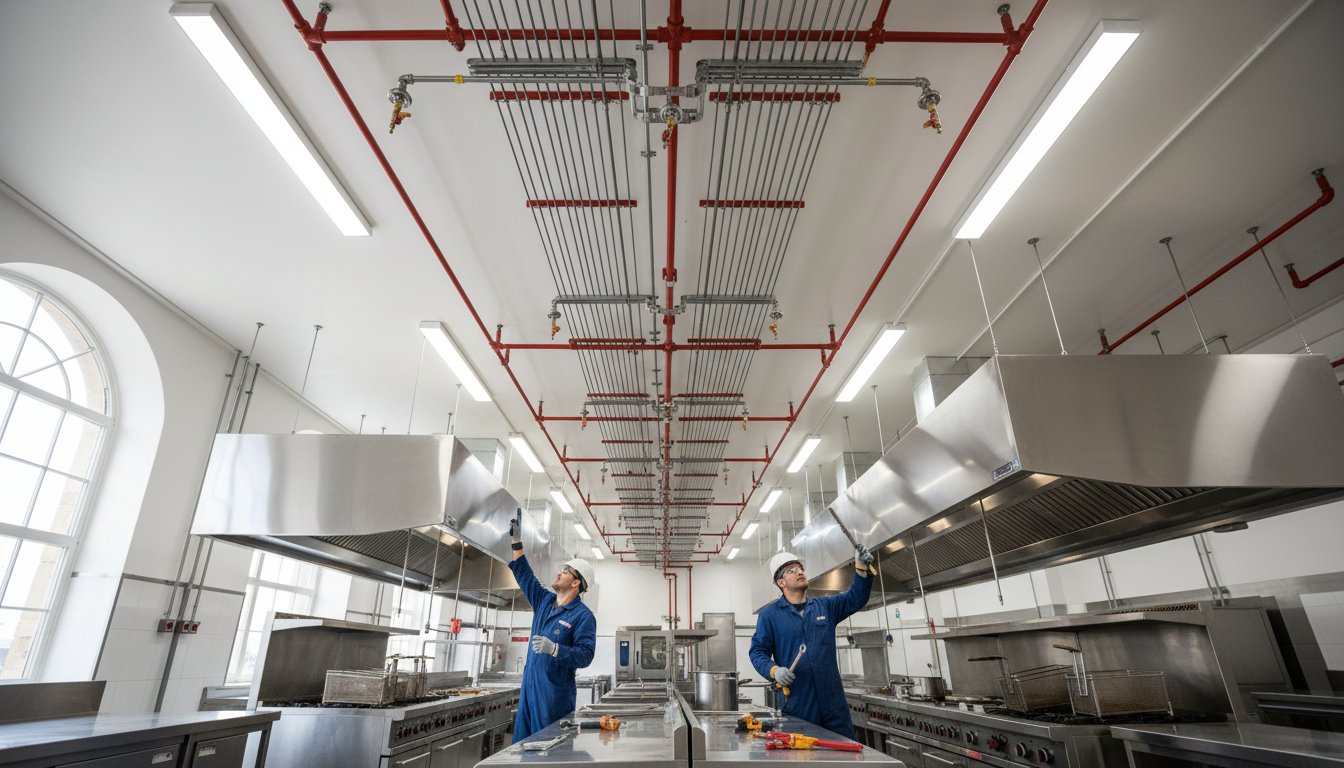
Understanding the different types of fire suppression systems can help in selecting the right one for your commercial kitchen. Common types include:
- Wet Chemical Systems: Ideal for kitchens, these systems quickly suppress fires by releasing a chemical agent that reacts with cooking oils and fats.
- Dry Chemical Systems: Often used in industrial settings, these release a powder that interrupts the chemical reaction of a fire.
- Water Mist Systems: These use fine water sprays to cool the fire and surrounding area, reducing heat and oxygen supply.
How Fire Suppression Systems Work
Fire suppression systems typically operate by detecting heat or smoke, then automatically releasing an extinguishing agent. The system is connected to the kitchen’s hood and ductwork, ensuring coverage over the primary cooking areas.
Once activated, the system shuts down the fuel supply to prevent further combustion, working swiftly to control and extinguish the fire. This quick response is crucial in minimizing damage and ensuring the safety of staff and patrons.
Installation and Maintenance
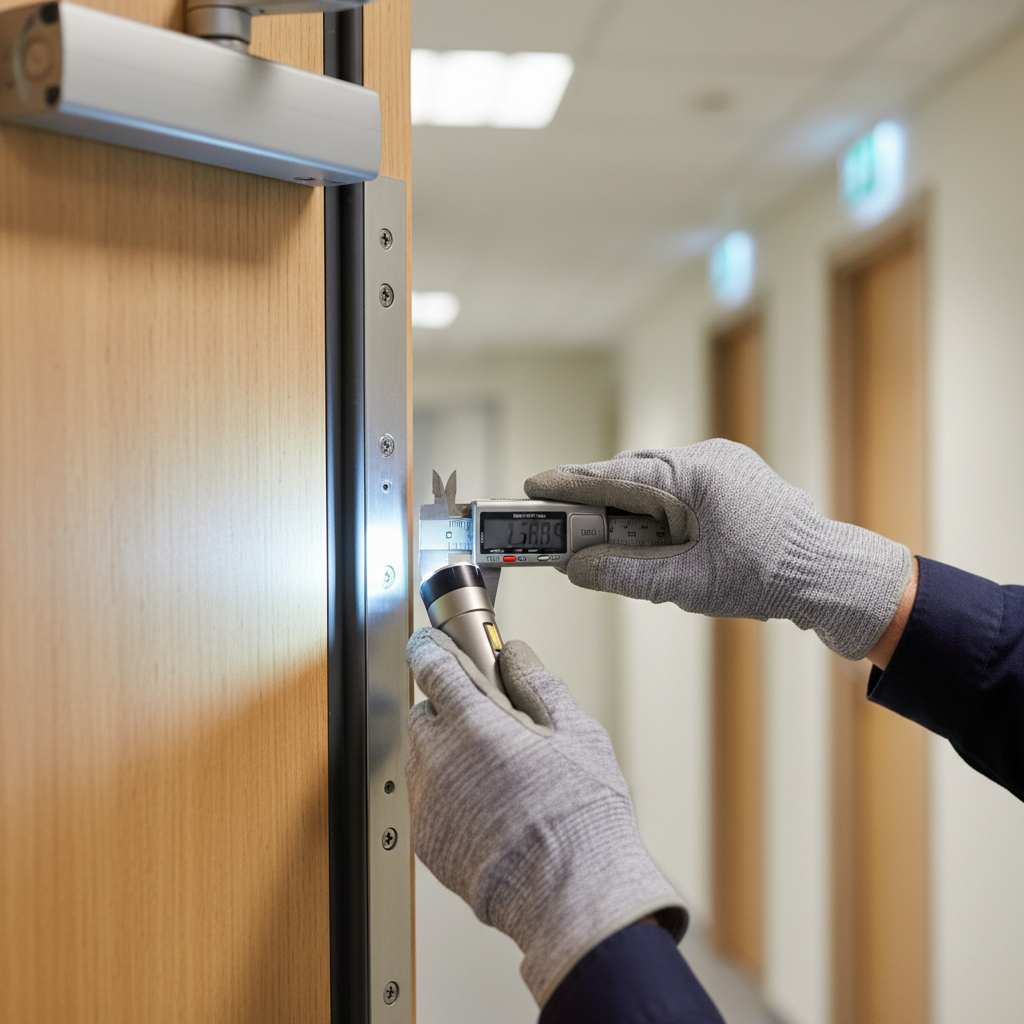
Proper installation and regular maintenance are vital for the effectiveness of fire suppression systems. Professional installation ensures that the system complies with local fire codes and regulations. Additionally, regular inspections and maintenance help in identifying potential issues before they become serious problems.
Maintenance tasks typically include checking the pressure of the extinguishing agent, inspecting the manual pull stations, and ensuring the system's nozzles are unobstructed.
Compliance and Regulations
In Raleigh, commercial kitchens must adhere to specific fire safety regulations. Compliance with these regulations not only protects your business but also ensures the safety of everyone in the establishment.
Local fire departments and safety inspectors often conduct routine checks to ensure that fire suppression systems are up to standard. Staying informed about these regulations and maintaining compliance is crucial for any business owner.
Benefits of Fire Suppression Systems
Investing in a reliable fire suppression system offers numerous benefits. These systems provide peace of mind, knowing that there is a safeguard in place against kitchen fires. They also help in reducing potential damage, lowering insurance costs, and ensuring a safer working environment.
Moreover, having a well-maintained fire suppression system can enhance your reputation as a responsible business owner who prioritizes safety.
Conclusion
Understanding and implementing the right fire suppression system is essential for the safety and success of any commercial kitchen in Raleigh. By choosing the appropriate system and ensuring regular maintenance, you can protect your business, employees, and customers from the devastating effects of kitchen fires.
Stay informed, stay compliant, and make fire safety a priority in your commercial kitchen operations.